

The advent of laser technology has given many convenient opportunities even to plastic surgery. Laser is the easiest procedure for the removal of birthmarks, scars or tattoos, which you might find unattractive or no longer important to you.
Laser removal of birthmarks or tattoos is convenient, quickly done and, relative to other removal procedures, pain free. Those procedures in previous years were invasive and came with greater than a little pain. Dermabrasion or surgical excision were the only real techniques then of removing these marks. Dermabrasion called for sanding off the mark and like surgical excision, sometimes called for a skin graft consequently.
We have been fortunate that laser removal is currently the norm. Laser therapy breaks up the birthmark or tattoo with highly concentrated light pulses. The design of the laser targets only the area to be treated, with frequencies that may save the surrounding tissue. Once the birthmark or tattoo has been disintegrated by the laser, your skin's natural disease fighting capability works to take out the fragmented pieces from your skin. This procedure is ideal for areas with good blood circulation as the blood will effect in the rapid removal of these pieces. There's less circulation in your hands and feet that makes it harder to treat in this manner.
Board certification
A skilled cosmetic surgeon with board certification ought to be the only one to do your laser therapy to obtain any unsightly marks. Continue reading will first be assessed regarding the area to be treated, number of treatments necessary and the amount of success you may expect. So far as tattoos are concerned, the black ones are simpler to remove than the colored because these need several treatments for total removal.
Actual Operation
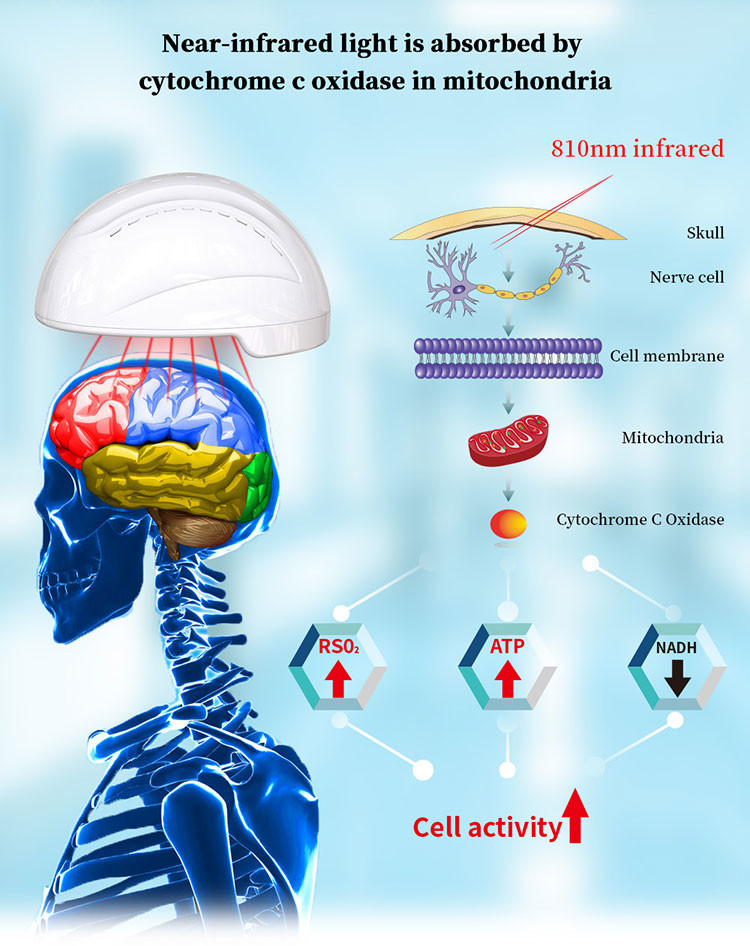
The laser light pulses would feel like elastic bands snapping against your skin. People don't usually find this painful. photobiomodulation therapy will be told to pre-treat the mark with anti-inflammatory and anesthetic cream before the procedure. If the pain is a lot more than you can handle, your physician will prescribe a local anesthetic.
Laser therapy would take in one to ten sessions (based on the tattoo or birthmark) every four to eight weeks. Because the amount of sessions increases, the laser pierces more, resulting in the tattoo or birthmark getting lighter after each session.
Recovery
Your surgeon will apply anti-bacterial ointment on the region and bandage your skin, with the instructions to lift the treated area in order to avoid swelling. You will also be instructed to avoid exposing that area to direct sun, because the procedure would have rendered it ultra sensitive to UV rays.
After the procedure, many people reported feeling some sunburn sensation and localized redness in the treated area. This can sometimes turn into scab which will recede in two weeks' time. Anti-inflammatories will surely minimize your pain, but it is still best for you to talk with your surgeon before taking any medications.
Laser therapy resulting in side effects is a rare occurrence. Dark-skinned individuals may experience loss of pigmentation, for anyone who is one, better consult with your doctor.